Fan motors are often regarded as the "unassuming" core of home appliances. However, it is precisely this component hidden inside the fan cover that directly determines the quality, lifespan, user experience, and even safety of a fan.
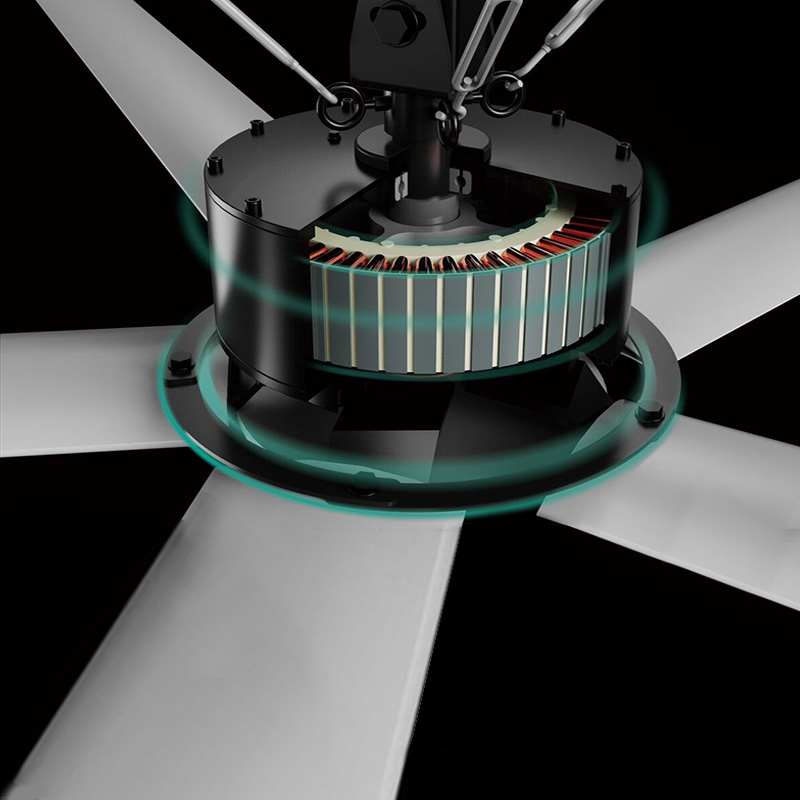
1. The cornerstone of performance and lifespan
The quality of the motor primarily determines the core performance and service life of the fan. A high-quality motor, utilizing high-purity copper wire windings and high-specification silicon steel sheets, can achieve efficient energy conversion, generating strong and stable driving force. This means that the fan can deliver a longer and softer wind, and maintain a constant speed and unwavering wind power during prolonged operation. Simultaneously, excellent heat dissipation design and wear-resistant bearings can significantly reduce mechanical wear and heat generation, ensuring the motor remains robust even after tens of thousands of hours of continuous operation. Conversely, inferior motors often substitute copper with aluminum, resulting in severe heat generation and low efficiency. Soon, issues such as slow speed, diminished wind power, or even "failure" will occur, rendering the fan a disposable consumer product.
II. Guarantee of Safety and Tranquility
Motors with substandard quality pose a significant hazard to household safety. Poor-quality insulation materials are prone to aging and breakdown under high temperature and humidity conditions, leading to electric leakage or short circuits. Furthermore, excessive temperature rise, if not effectively protected, may ignite plastic components, posing a fire risk. High-quality motors strictly adhere to safety standards, utilizing flame-retardant materials and multiple temperature protection devices that automatically cut off power in case of anomalies, nipping any potential dangers in the bud. Additionally, the precision of the motor is directly related to its noise level - high-quality motors exhibit precise dynamic balance and smooth operation, minimizing electromagnetic noise and mechanical vibration, allowing users to enjoy the serenity of "only hearing the wind, not the machine.".
III. Selection of Energy Efficiency and Value
In today's global advocacy for energy conservation, the energy efficiency rating of motors is of utmost importance. High-efficiency motors generate more wind power with less electrical energy, significantly saving electricity bills over long-term use. Although high-quality motors imply higher initial costs, their durability, low failure rate, and energy-saving advantages make them more cost-effective in the long run. Choosing a good motor is not only choosing a cool companion for up to ten years, but also choosing a green and low-carbon lifestyle.
IV. Silent endorsement of quality
For a brand, motor quality is the cornerstone of user word-of-mouth. A fan that is scrapped due to motor failure can undermine consumers' trust in the brand. Conversely, a durable motor can turn users into loyal advocates of the brand. In a fiercely competitive market, only by adhering to motor quality can a brand build a genuine competitive advantage.
Conclusion
Although fan motors are small, they bear the weight of performance, safety, energy efficiency, and brand reputation. They should not be sacrificed in a price war, but rather embody technological sincerity. Next time you choose a fan, remember: it is the silently spinning "heart" that truly determines the quality of the cool breeze. Choosing a high-quality motor is choosing long-lasting, reassuring coolness.


