 English

 English
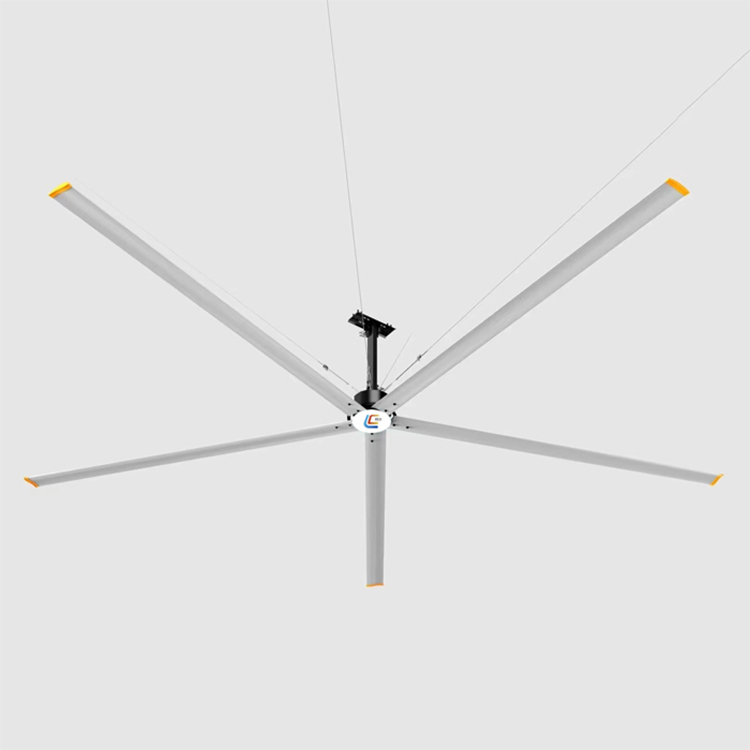
To ensure the stable performance and long-term effective operation of industrial fans, strict control is required from three major aspects: design and manufacturing, installation and commissioning, and operation and maintenance management.
1、 Performance guarantee during the design and manufacturing phase
1. Selection criteria for core components
Example of a solution with superior component performance requirements
Motor IP55 protection level, F-class insulation, efficiency>90% German SEW motor, supports variable frequency speed regulation
Fan blade aviation aluminum material (thickness ≥ 3mm), dynamic balance accuracy G6.3 level airfoil profile design, wind resistance reduced by 20%
Control system overload/overheating/phase loss protection, RS485 communication interface Schneider PLC+touch screen intelligent control
2. Factory testing items
Aerodynamic performance testing: Verify the air volume (≥ 20000m ³/h) and coverage radius in the wind tunnel laboratory;
Durability test: Continuous full load operation for 72 hours, bearing temperature rise ≤ 40 ℃;
Safety test: Emergency stop button response time<2 insulation="" resistance="">100M Ω.
2、 Performance guarantee during installation and debugging phase
1. Installation accuracy control
Levelness: The laser calibrator ensures that the horizontal deviation of the fan blades is ≤ 0.5 ° (reducing the air volume by 8% for every 1 ° deviation);
Height: The low point of the fan blade is at least 3 meters above the ground (the effect is best when the floor height is 4-6 meters);
Spacing: The distance between adjacent fans is 1.5 times the diameter (to avoid airflow interference).
2. On site debugging process
No load test run: detect vibration values (≤ 2.8mm/s) and noise (< 55dB (A));
Wind speed measurement: Use an anemometer to measure wind speed at 9 points 1.5m above the ground, with a uniformity deviation of less than 15%;
System integration testing: synchronized control testing with the air conditioning/exhaust system.
3、 Performance guarantee during the operation and maintenance phase
1. Daily maintenance checklist
Periodic maintenance content tools/standards
Weekly inspection of bolt tightening, cleaning of fan blade surface, torque wrench (50N · m)
Half yearly bearing lubrication (high-temperature lithium grease) injection gun (oil volume accounts for 30% of the chamber)
Annual motor insulation test (≥ 1M Ω) with a megohmmeter in 2500V range
2. Performance degradation warning indicators
If the air volume drops by more than 10%: check for fan blade deformation or dust accumulation;
Energy consumption increase>15%: Check for bearing wear or unstable voltage;
Vibration value>4mm/s: Dynamic balance correction is required.
4、 Technological upgrade and transformation
Energy efficiency improvement plan
Replacing traditional motors with permanent magnet synchronous motors (increasing efficiency by 5-8%);
Install a wind speed sensor to achieve automatic speed regulation (saving 12-18% energy).
Intelligent monitoring system
python
#Simulated fault warning algorithm (based on temperature/vibration data)
if motor_temp > 80 or vibration > 4.0:
Send_alert ("Immediate shutdown for maintenance")
elif runtime > 4000_hours:
schedule_maintenance()
5、 Performance validation standards
International Certification
CE certification (EMC/LVD directive)
AMCA (Air Movement and Control Association) airflow certification
Comparison of actual measurements
The national standard for the project requires superior product testing
Covering an area of 800 square meters per unit and 1200 square meters per unit
Noise ≤ 65dB (A) 48dB (A)
Energy efficiency ratio 3.0m ³/min/W 4.2m ³/min/W
6、 Common problem response
Problem: Unstable fan speed
Reason: Voltage fluctuation or frequency converter malfunction
Solution: Install a voltage regulator and reset the parameters of the frequency converter
Problem: No wind sensation in a local area
Reason: Insufficient installation height or obstruction by obstacles
Solution: Raise the hanger or adjust the fan angle
summary
The performance guarantee of industrial large fans requires:
Source control (high standard material selection+strict testing)
Accurate implementation (millimeter level installation+data-driven debugging)
Scientific operation and maintenance (preventive maintenance+intelligent monitoring)
It is recommended to choose manufacturers that provide a 5-year ultra long warranty and have CNAS certified laboratories (such as Hunter and McQuay), and keep the complete performance acceptance report as an attachment to the contract.


