The core characteristics of a small exhaust fan are its compact size, flexible installation, and focus on local ventilation, making it highly cost-effective in small space scenarios.
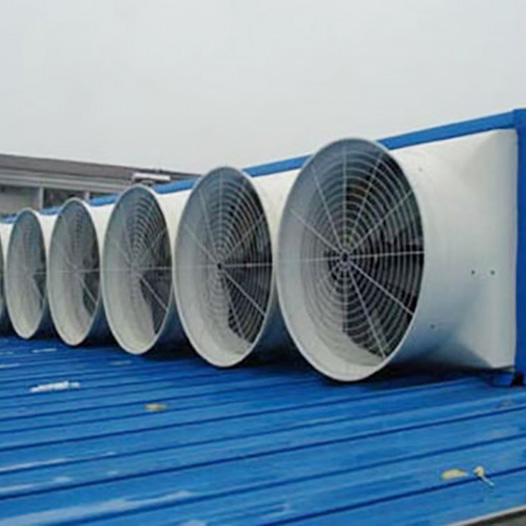
1、 Core advantages and characteristics
Flexible size and installation: The body is usually between 15-30 centimeters and lightweight. It can be directly wall mounted, window mounted, or embedded in cabinets without complex construction, suitable for small spaces such as kitchens, bathrooms, storage rooms, and small offices.
Low energy consumption and low noise: the power is generally between 10-50 watts, and it consumes less electricity for daily use; Most of them use silent motors, and the operating noise is usually below 40 decibels, which will not cause significant interference to daily activities.
Strong targeted functionality: mainly used for local dehumidification, deodorization, and ventilation. For example, the kitchen can quickly remove residual oil fumes, and the bathroom can remove moisture to prevent mold, which can quickly improve small-scale air quality.
2、 Relatively limited characteristics
Small air volume and coverage: Due to volume limitations, the air volume of a single exhaust fan is usually between 50-200 cubic meters per hour, which can only cover 10-20 square meters of space and cannot meet the ventilation needs of large rooms or entire houses.
Relatively single function: Most of them only have a single function of "exhaust", without cooling, heating or air purification capabilities, and cannot replace air conditioning, air purifiers and other equipment.
Long term use requires maintenance: Fan blades and filters are prone to accumulating dust and oil stains (especially for kitchen use). If not cleaned regularly, it can reduce ventilation efficiency and may also produce odors.


